Most guides on value engineering in construction open with the same Wikipedia definition, walk through the same six-step SAVE methodology, and close without a single real number. You have read that article before. This is not that article. This guide uses actual cost data from recent projects to show you where the savings are, how big they are, and exactly how to capture them. If you are a developer, GC, or project manager trying to reduce costs without reducing quality, this is the resource you have been looking for.
What Is Value Engineering in Construction?
Value engineering is the process of finding alternative products or methods that deliver the same function and performance at a lower cost. In construction, that usually means identifying materials, finishes, or systems where you are paying a brand premium that does not translate to a better building. The goal is to maintain the design intent, meet the spec requirements, and spend less doing it.
Value engineering is not cost cutting. Cost cutting means downgrading: swapping porcelain tile for vinyl, replacing quartz with laminate, or eliminating scope. VE keeps the same performance, the same aesthetic, and the same spec compliance. It just removes the markup you did not know you were paying. To see how the process works in practice, take a look at how Flume runs VE.
Why Value Engineering in Construction Matters More in 2026
Value engineering has always been part of good construction management. But the economic conditions in 2026 have made it essential rather than optional.
Material costs are up 37.7% since 2020. According to the Bureau of Labor Statistics Producer Price Index, building material costs have risen 37.7% since January 2020. That increase has not reversed. The materials you are specifying today cost roughly 40% more than the same materials cost six years ago, and project budgets have not kept pace.
Tariffs are hitting imported materials hard. The 2025 and 2026 tariff actions on imported construction materials, particularly from China and Southeast Asia, have added 10-25% to landed costs on categories like porcelain tile, quartz slabs, and lighting fixtures. Projects that locked in pricing before the tariffs are fine. Everyone else is absorbing the increase or scrambling for alternatives. You can track current pricing on the Flume Price Index.
Interest rates are squeezing project budgets. Higher borrowing costs mean tighter pro formas. Developers who could absorb a $200K finish overrun at 4% interest cannot do it at 7%. The margin for error on project budgets has narrowed, and VE is one of the few levers that reduces costs without reducing scope or delaying the schedule.
The combination of these three forces means that the gap between what projects are spending on finishes and what they need to spend has never been wider. Value engineering closes that gap.
Where Value Engineering Delivers the Biggest Savings
Interior finishes represent 30-40% of a typical commercial construction budget. This is where the biggest VE opportunity lives, for two reasons. First, the market is fragmented. There are hundreds of manufacturers producing functionally identical products at wildly different price points. Second, brand premiums are enormous. A designer-specified porcelain tile and a lesser-known tile with the same PEI rating, water absorption, and visual appearance can differ by 50% or more in price.
Here is real pricing data from recent Flume projects showing the gap between typical specified prices and VE alternatives across five major finish categories:
| Category | Typical Spec’d Price | VE Alternative Price | Savings % |
|---|---|---|---|
| Porcelain Tile | $7.25/sf | $3.70/sf | 49% |
| SPC/LVT Flooring | $2.40/sf | $1.40/sf | 42% |
| Quartz Countertops | $34/sf | $13/sf | 62% |
| LED Lighting | $160/unit | $103/unit | 36% |
| Interior Doors | $140/unit | $72/unit | 49% |
Quartz consistently shows the widest pricing gap of any finish category. The difference between a $34/sf branded quartz slab and a $13/sf alternative with the same Mohs hardness, stain resistance, and slab thickness is almost entirely brand premium. On a project with 2,800 sf of quartz, that gap represents over $58,000 in savings on a single material.
These are not theoretical numbers. They come from real submittals on real projects where the designer approved the alternative. The savings percentages hold across project types: hotels, multifamily, senior living, and mixed-use commercial.
Real-World Example: $250K Saved on a Hotel Project
To see what value engineering looks like across an entire project, consider the Maverick Development Kimpton hotel. Across five finish categories, the project saved approximately $250,000 without changing a single design specification.
Here is the breakdown:
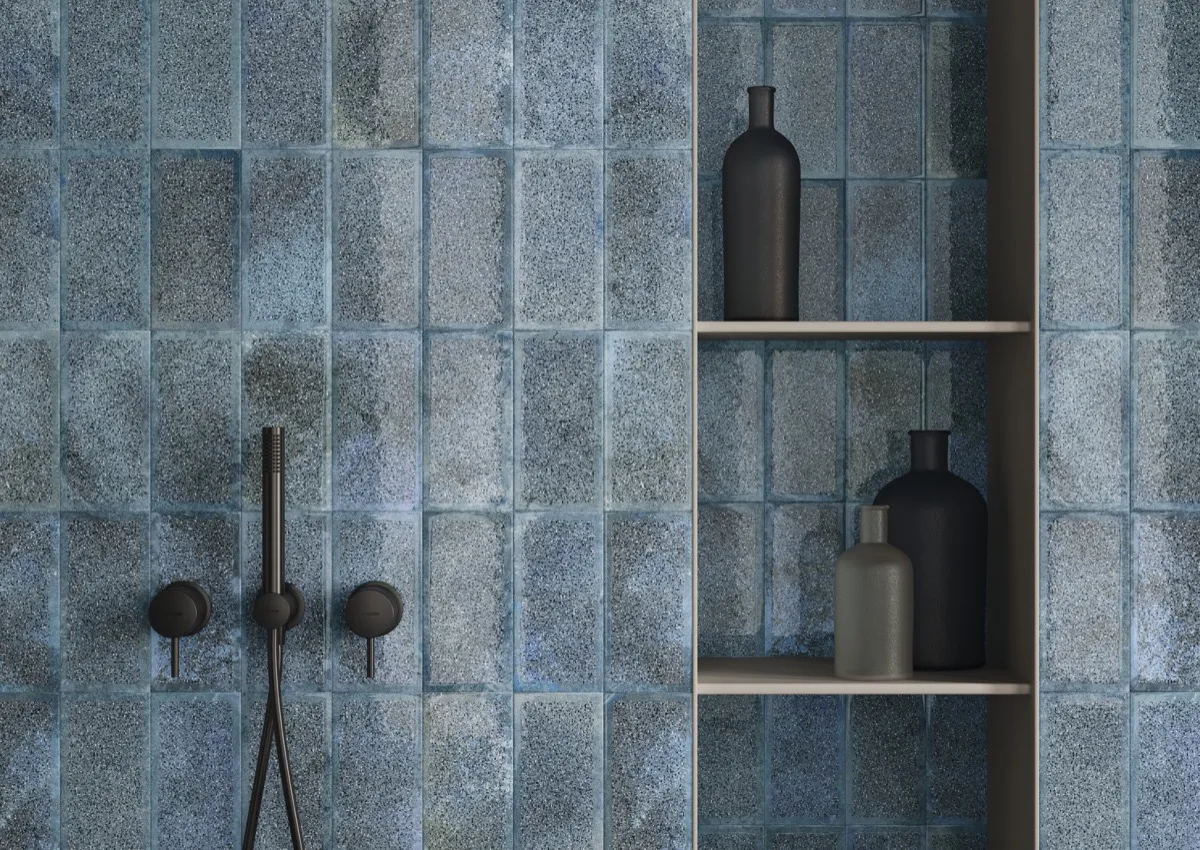
- Porcelain tile (guest bathroom showers): $45,000 saved by matching a Japanese porcelain tile with an equivalent product at the same dimensions, PEI rating, and glazed finish
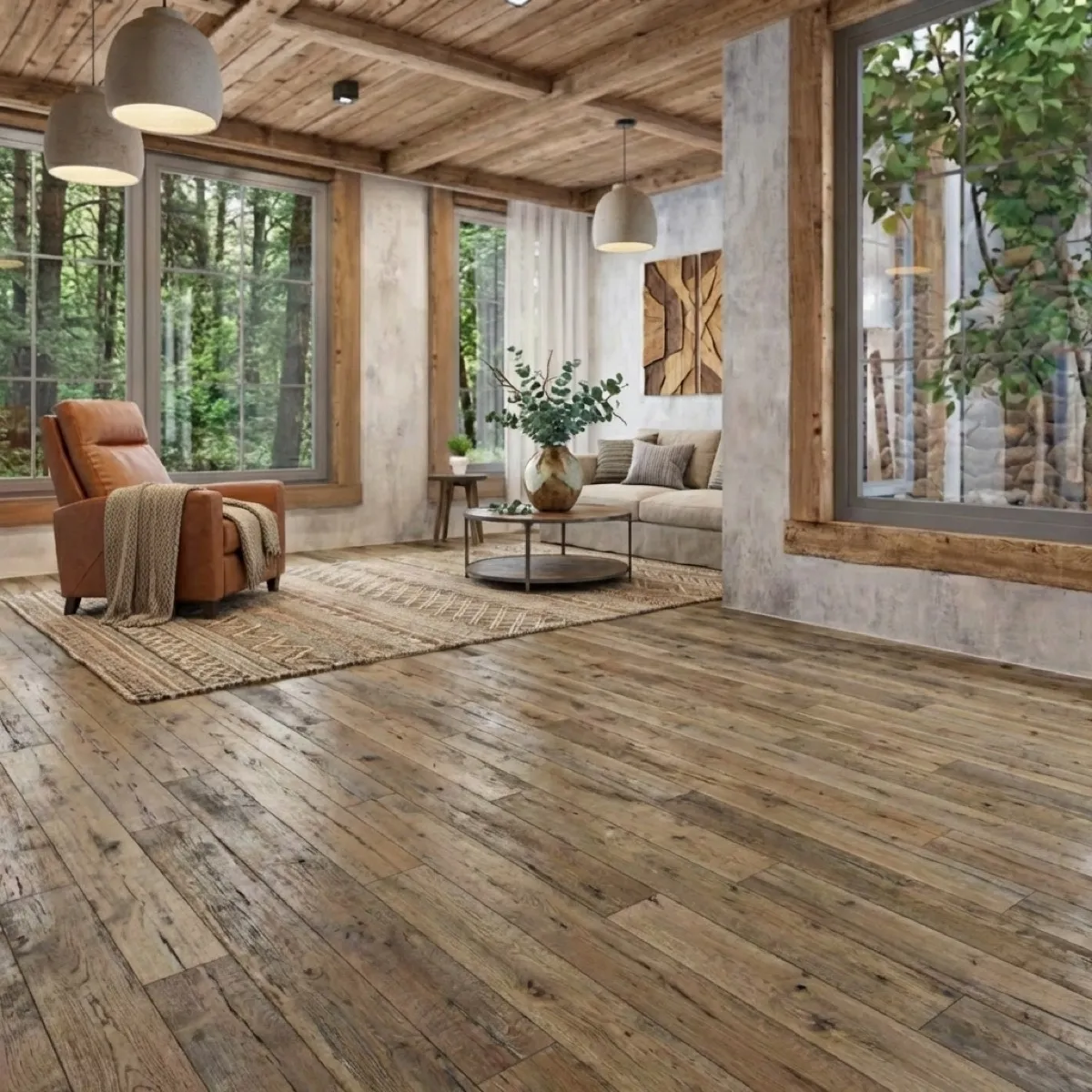
- SPC flooring (guest rooms and corridors): $75,000 saved across 75,000 sf by sourcing a matching SPC product with the same wear layer and click-lock profile at $1.00/sf less
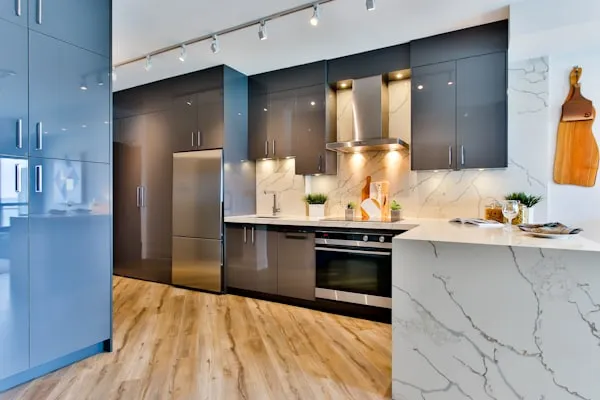
- Quartz countertops (lobby bar, reception, fitness center): $58,800 saved on 2,800 sf at $21/sf less than the original spec
- LED lighting (vanity fixtures, corridor sconces, closet lights): $51,300 saved across 900 fixtures at $57/unit less
- Interior doors (guest room entry and bathroom doors): $20,400 saved across 300 doors at $68/unit less
Every alternative went through the standard submittal process and received designer approval. You can read the full case study with product-level detail at 5 VE Wins That Saved $200K+ on Hotel Projects or see more about the project at the Kimpton Mirador case study.
“The goal of value engineering isn’t to spend less. It’s to stop overspending on products where the brand premium doesn’t translate to a better building.”
The Value Engineering Process (How It Actually Works)
Forget the generic six-phase SAVE methodology that was designed for systems engineering in the 1940s. Here is how value engineering actually works for construction finishes in 2026, broken into five practical steps.
1. Spec analysis
Break every specified product into its performance attributes: dimensions, material composition, fire rating, water absorption, wear layer thickness, color, finish, and any relevant certifications. This creates the objective criteria that any alternative must match. It also separates what the designer actually needs from what the brand name implies.
2. Market search
Search beyond the 5-10 brands your team already knows. The global market has 200+ manufacturers per major finish category. Most GCs and designers work with a small, familiar set of suppliers, which means they are only seeing a fraction of the available options. A comprehensive market search surfaces products from manufacturers you have never heard of that match or exceed the original spec.
3. Landed cost comparison
Compare alternatives on landed cost, not catalog price. Landed cost includes the product price, freight to your jobsite, duties, and any applicable tariffs. A tile that costs $2.50/sf FOB factory in China and $4.80/sf landed in Dallas is not cheaper than a $4.00/sf product from a domestic warehouse. This is where most DIY VE efforts break down.
4. Sample and submittal
Get physical samples to the designer for review and approval through the standard submittal process. Designer approval is non-negotiable. The submittal package includes the technical comparison, samples, and any test reports or certifications needed to demonstrate equivalency.
5. Procurement
Once alternatives are approved, lock in pricing with purchase orders and manage lead times to meet the project schedule. The savings are real only when the PO is signed and the product is on its way to the jobsite.
5 Common Value Engineering Mistakes
Most value engineering efforts underperform not because the concept is flawed, but because the execution has gaps. Here are the five mistakes we see most often.
1. Treating VE as cost cutting
Swapping porcelain tile for ceramic or quartz for laminate is not value engineering. It is a downgrade. True VE finds a different porcelain tile that matches the original on every performance attribute and costs less. If the alternative changes the material type, the function, or the aesthetic, it is cost cutting, and it will get rejected in submittals.
2. Starting VE too late
The biggest savings come during design development, when the team has time to evaluate alternatives, get samples, and adjust specifications. Starting VE during procurement, after specs are locked and buyout is underway, limits your options dramatically. By that point, you are negotiating price on products that have already been approved, instead of finding better products at lower prices. Value engineering should not be an afterthought.
“Early value engineering doesn’t limit what you can build. It confirms what you can build.”
3. Ignoring landed costs
Factory price is not project price. A product that looks 40% cheaper on a catalog sheet might only be 15% cheaper once you add international freight, import duties, tariffs, and domestic delivery. Projects that compare on catalog price instead of landed cost end up surprised at buyout. Every VE comparison needs to use the delivered-to-jobsite number.
4. Skipping the submittal process
Designer approval is not a formality. It is a requirement. Any VE alternative that bypasses the submittal process creates risk: the designer may reject it during a site walk, the owner may flag it during a punch list, or it may not meet code or brand standards. Every alternative needs to go through the standard submittal process with physical samples, technical data, and a clear comparison to the original spec.
5. Only checking 2-3 brands
If your VE process involves calling the same three suppliers you always use and asking for a discount, you are leaving money on the table. The global market for porcelain tile alone has over 200 manufacturers. For quartz countertops, there are 100+. For SPC flooring, the number is similar. Checking 2-3 brands means you are seeing 1-2% of the market. A real VE process searches the full market and compares on performance attributes, not brand familiarity.
How to Get Started with Value Engineering
The fastest way to see what value engineering can do for your project is to run a VE report on your actual specs. Send us your finish schedule and product specifications. It takes five minutes and there is no cost or commitment.
Within a few days, you will receive a line-by-line VE report showing alternatives for every eligible product, with landed costs, savings amounts, and technical comparisons. You will see exactly where your budget has room and how much room there is.
From there, you decide which alternatives to pursue. We handle samples, submittals, and procurement. You keep the savings. That is how value engineering in construction is supposed to work.